


Auburn Phantom Pains
 Auburn Phantom Pains describes painful or uncomfortable sensations that seem to arise from a limb or body part that has been removed, often following surgical amputation or traumatic injury. These sensations can include burning, cramping, stabbing, or electric shock–like pain, and they may occur intermittently or persist throughout the day. In a community like Auburn, where residents may stay active around local landmarks such as Les Gove Park, this condition can limit mobility, disturb sleep, and complicate rehabilitation after limb loss.
Understanding Auburn Phantom Pains requires recognizing that the pain originates in the nervous system and brain rather than the missing limb itself. After amputation, nerve pathways and brain regions that once received signals from the removed limb remain active and can misfire, generating vivid pain experiences. Targeted care for Auburn Phantom Pains focuses on reducing nerve overactivity, reshaping brain responses, and helping individuals regain confidence in daily tasks despite ongoing symptoms.
Comprehensive evaluation of Auburn Phantom Pains includes reviewing medical history, amputation details, and current medications to identify factors that may intensify pain. A structured plan may combine physical strategies, such as desensitization exercises, with medical therapies that calm irritated nerves and support long-term function. When Auburn Phantom Pains are addressed early and consistently, many people experience better participation in rehabilitation and improved overall quality of life.
Here are key clinical focus areas related to this condition in Auburn.
- Phantom Limb Sensation
- How To Treat Phantom Limb Pain
- What Is Phantom Limb Pain
- Phantom Pain
- Phantom Limb Pain Symptoms
- Phantom Limb Pain
Call Vibrant Health today for focused evaluation and management of Auburn Phantom Pains with dependable local support.
Auburn Phantom Limb Syndrome
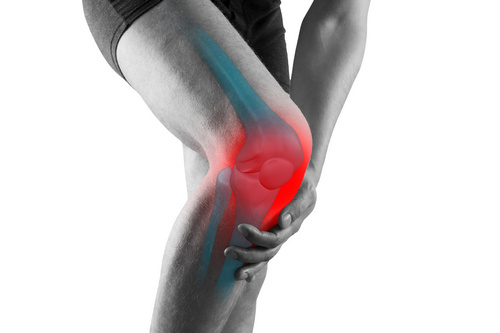 Auburn Phantom Limb Syndrome refers to the broader pattern of non-painful and painful sensations perceived in a missing limb, including position sense, tingling, itching, and cramping. Residents navigating daily routines along Auburn Way or commuting to regional medical centers may find these sensations confusing and distressing, especially soon after surgery. By identifying whether symptoms involve primarily discomfort, abnormal movement feelings, or clear pain, Auburn Phantom Limb Syndrome can be approached with therapies tailored to each individual’s experience.
Professionally guided care for Auburn Phantom Limb Syndrome often integrates education, graded physical activity, and techniques that retrain the brain’s body map, such as mirror-based exercises or sensory re-education. These approaches aim to reduce the intensity and frequency of phantom experiences while supporting safe use of prosthetic devices. When Auburn Phantom Limb Syndrome is managed with consistent follow-up, many individuals achieve more predictable symptom patterns, better prosthesis tolerance, and improved participation in work, home, and community roles.
Because Auburn Phantom Limb Syndrome can involve emotional and psychological responses to amputation, effective management typically includes attention to mood, sleep quality, and coping strategies. Coordinated care teams may recommend relaxation methods, cognitive-behavioral tools, and supportive counseling alongside medical and physical treatments. With sustained, structured support, Auburn Phantom Limb Syndrome becomes more manageable, allowing individuals to focus on rehabilitation goals rather than constant symptom disruption.
Below is an overview of core clinical topics frequently addressed in Auburn related to this condition.
- Phantom Limb Pain Causes
- Phantom Limb Pain
- Phantom Limb Syndrome
- How To Treat Phantom Limb Pain
- Why Phantom Limb Pain Happens
- Phantom Limb Pain Symptoms
Call Vibrant Health to discuss individualized strategies for Auburn Phantom Limb Syndrome and coordinated long-term symptom management today.
Auburn Post-amputation Pain Syndrome
 Auburn Post-amputation Pain Syndrome encompasses ongoing pain after limb removal, including both residual limb pain and phantom limb pain, making it a critical focus for dependable, long-term care. Failure to control these symptoms can interfere with wound healing, prosthetic fitting, and daily function, especially during colder, damp weather that sometimes aggravates nerve sensitivity in the region. By addressing Auburn Post-amputation Pain Syndrome early, clinicians can help reduce complications, limit disability, and promote more stable recovery trajectories.
Structured management of Auburn Post-amputation Pain Syndrome typically begins with careful assessment to distinguish between neuroma-related discomfort, mechanical stump problems, and phantom sensations. A multi-layered plan may involve medication optimization, targeted physical therapy, compression strategies, and, when indicated, interventional procedures that calm hypersensitive nerves. Individuals who receive consistent follow-up for Auburn Post-amputation Pain Syndrome often achieve better prosthesis use, improved walking tolerance, and greater independence in community activities.
Ongoing attention to Auburn Post-amputation Pain Syndrome is also important because pain can fluctuate as activity levels change, prosthetic components are adjusted, or scar tissue remodels over time. Practical tips, such as regularly inspecting the residual limb for skin changes and maintaining a stable prosthetic fit, help reduce triggers that worsen symptoms. With proactive adjustments and open communication with care teams, Auburn Post-amputation Pain Syndrome becomes more predictable, supporting reliable function at home and in the community.
The following focus areas highlight central aspects of post-amputation pain management relevant to individuals in Auburn.
- Neuroma Pain After Amputation
- Phantom Limb Pain
- Treatments For Phantom Limb Pain
- Mirror Therapy For Phantom Limb Pain
- Stump Pain After Amputation
- Residual Limb Pain Vs Phantom Limb Pain
Call Vibrant Health to arrange comprehensive evaluation of Auburn Post-amputation Pain Syndrome and coordinated, outcomes-focused rehabilitation planning.
Auburn Phantom Pains
Auburn Phantom Pains describes painful or uncomfortable sensations that seem to arise from a limb or body part that has been removed, often following surgical amputation or traumatic injury. These sensations can include burning, cramping, stabbing, or electric shock–like pain, and they may occur intermittently or persist throughout the day. In a community like Auburn, where residents may stay active around local landmarks such as Les Gove Park, this condition can limit mobility, disturb sleep, and complicate rehabilitation after limb loss.
Understanding Auburn Phantom Pains requires recognizing that the pain originates in the nervous system and brain rather than the missing limb itself. After amputation, nerve pathways and brain regions that once received signals from the removed limb remain active and can misfire, generating vivid pain experiences. Targeted care for Auburn Phantom Pains focuses on reducing nerve overactivity, reshaping brain responses, and helping individuals regain confidence in daily tasks despite ongoing symptoms.
Comprehensive evaluation of Auburn Phantom Pains includes reviewing medical history, amputation details, and current medications to identify factors that may intensify pain. A structured plan may combine physical strategies, such as desensitization exercises, with medical therapies that calm irritated nerves and support long-term function. When Auburn Phantom Pains are addressed early and consistently, many people experience better participation in rehabilitation and improved overall quality of life.
Here are key clinical focus areas related to this condition in Auburn.
- Phantom Limb Sensation
- How To Treat Phantom Limb Pain
- What Is Phantom Limb Pain
- Phantom Pain
- Phantom Limb Pain Symptoms
- Phantom Limb Pain
Call Vibrant Health today for focused evaluation and management of Auburn Phantom Pains with dependable local support.
Auburn Phantom Limb Syndrome
Auburn Phantom Limb Syndrome refers to the broader pattern of non-painful and painful sensations perceived in a missing limb, including position sense, tingling, itching, and cramping. Residents navigating daily routines along Auburn Way or commuting to regional medical centers may find these sensations confusing and distressing, especially soon after surgery. By identifying whether symptoms involve primarily discomfort, abnormal movement feelings, or clear pain, Auburn Phantom Limb Syndrome can be approached with therapies tailored to each individual’s experience.
Professionally guided care for Auburn Phantom Limb Syndrome often integrates education, graded physical activity, and techniques that retrain the brain’s body map, such as mirror-based exercises or sensory re-education. These approaches aim to reduce the intensity and frequency of phantom experiences while supporting safe use of prosthetic devices. When Auburn Phantom Limb Syndrome is managed with consistent follow-up, many individuals achieve more predictable symptom patterns, better prosthesis tolerance, and improved participation in work, home, and community roles.
Because Auburn Phantom Limb Syndrome can involve emotional and psychological responses to amputation, effective management typically includes attention to mood, sleep quality, and coping strategies. Coordinated care teams may recommend relaxation methods, cognitive-behavioral tools, and supportive counseling alongside medical and physical treatments. With sustained, structured support, Auburn Phantom Limb Syndrome becomes more manageable, allowing individuals to focus on rehabilitation goals rather than constant symptom disruption.
Below is an overview of core clinical topics frequently addressed in Auburn related to this condition.
- Phantom Limb Pain Causes
- Phantom Limb Pain
- Phantom Limb Syndrome
- How To Treat Phantom Limb Pain
- Why Phantom Limb Pain Happens
- Phantom Limb Pain Symptoms
Call Vibrant Health to discuss individualized strategies for Auburn Phantom Limb Syndrome and coordinated long-term symptom management today.
Auburn Post-amputation Pain Syndrome
Auburn Post-amputation Pain Syndrome encompasses ongoing pain after limb removal, including both residual limb pain and phantom limb pain, making it a critical focus for dependable, long-term care. Failure to control these symptoms can interfere with wound healing, prosthetic fitting, and daily function, especially during colder, damp weather that sometimes aggravates nerve sensitivity in the region. By addressing Auburn Post-amputation Pain Syndrome early, clinicians can help reduce complications, limit disability, and promote more stable recovery trajectories.
Structured management of Auburn Post-amputation Pain Syndrome typically begins with careful assessment to distinguish between neuroma-related discomfort, mechanical stump problems, and phantom sensations. A multi-layered plan may involve medication optimization, targeted physical therapy, compression strategies, and, when indicated, interventional procedures that calm hypersensitive nerves. Individuals who receive consistent follow-up for Auburn Post-amputation Pain Syndrome often achieve better prosthesis use, improved walking tolerance, and greater independence in community activities.
Ongoing attention to Auburn Post-amputation Pain Syndrome is also important because pain can fluctuate as activity levels change, prosthetic components are adjusted, or scar tissue remodels over time. Practical tips, such as regularly inspecting the residual limb for skin changes and maintaining a stable prosthetic fit, help reduce triggers that worsen symptoms. With proactive adjustments and open communication with care teams, Auburn Post-amputation Pain Syndrome becomes more predictable, supporting reliable function at home and in the community.
The following focus areas highlight central aspects of post-amputation pain management relevant to individuals in Auburn.
- Neuroma Pain After Amputation
- Phantom Limb Pain
- Treatments For Phantom Limb Pain
- Mirror Therapy For Phantom Limb Pain
- Stump Pain After Amputation
- Residual Limb Pain Vs Phantom Limb Pain
Call Vibrant Health to arrange comprehensive evaluation of Auburn Post-amputation Pain Syndrome and coordinated, outcomes-focused rehabilitation planning.